Why some homeowners feel trapped after going solar
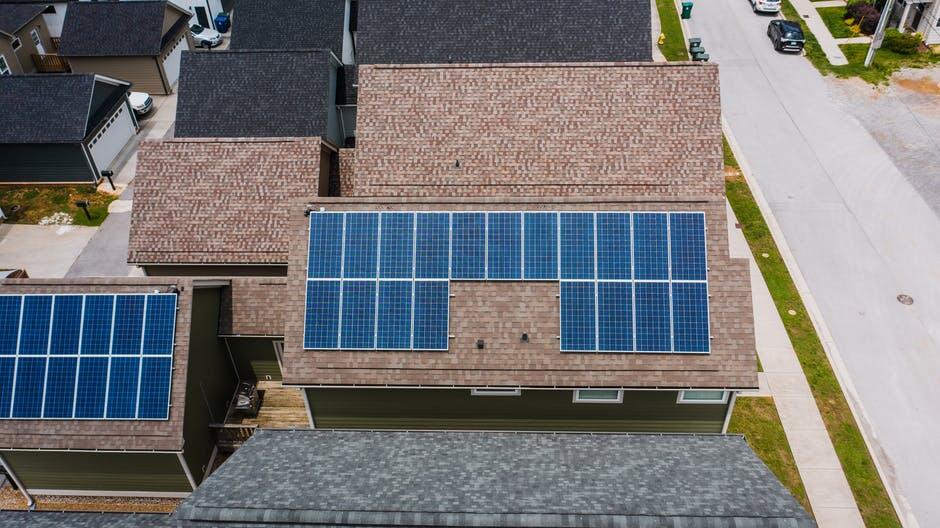
Going solar can be good for the planet, but some homeowners have regrets due to high upfront costs, long payback periods, complicated contracts, and long-term agreements. There are also challenges when selling the home, as well as maintenance, performance, and unexpected issues.
According to the US Energy Information Administration (EIA), in 2025, utility-scale solar power generation totaled 296,000 GWh, which is 34% more than in 2024. It’s great that society as a whole is being proactive about greener solutions, but there are definitely solar investment challenges that aren’t talked about enough.
The fact is that going solar has its drawbacks, and many homeowners have solar installation regrets. Here’s why.
High Upfront Costs and Long Payback Periods
One of the biggest reasons why people regret home solar installations is that they feel financially trapped. There are high upfront costs, and even with financing options, systems can cost tens of thousands of dollars.
There are certainly long-term savings with solar power, but the reality is that it can take years or even over a decade to break even. Homeowners may feel stuck paying off a system that isn’t delivering the promised return, and the financial pressure can be especially frustrating for those who took out loans or signed long-term financing agreements.
Are There Complicated Contracts and Long-Term Agreements?
Solar contracts can be complex, and not every person fully understands the terms before signing. There are agreements and leases that often come with long-term commitments that can span 20-25 years, and they may include:
- Escalating payment structures
- Maintenance clauses
- Strict transfer requirements if the home is sold
Homeowners sometimes discover too late that getting out of these contracts is difficult or costly. This lack of flexibility can create a feeling of being tied down. With the aid of an organization like Solar Cancellation Resource Center, though, it’s possible to get out of such contracts.
What Challenges Are There When Selling the Home?
Another one of the many solar energy pitfalls is the difficulty of selling a home with an existing solar agreement. Owned systems can sometimes increase the property value, but leased systems or power purchase agreements (PPAs) can complicate the sales process.
For example, potential buyers may be hesitant to take over a long-term solar contract. This is especially true if the terms are unfavorable or unclear. Sellers may also need to pay off the remaining balance or negotiate contract transfers.
This added layer of complexity can make homeowners feel trapped.
Maintenance, Performance, and Unexpected Issues
Solar systems are generally low-maintenance, but they’re not entirely worry-free. You may encounter issues such as:
- Inverter failures
- Panel degradation
- Roof complications that require repairs
Warranty limitations or slow customer service responses can add to the frustration.
As a separate problem, if you need to replace your roof, then the panels often must be removed and reinstalled, and this is sometimes at the homeowner’s expense.
Going Solar Has Its Issues
We must turn to eco-friendly energy solutions if we want to look after our planet, but going solar isn’t 100% positive. Homeowners must be aware of the upfront costs and long-term commitment, as well as any potential issues that may arise.
Check out more of our pages to keep reading interesting articles.


