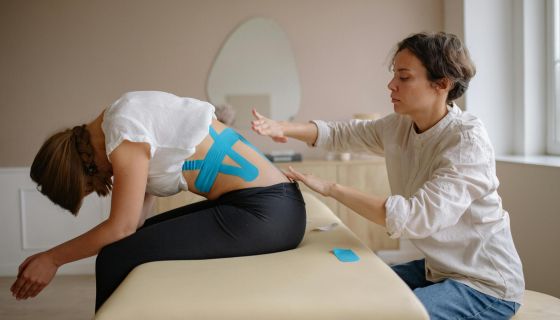
Workplace safety conversations are increasingly including recovery and rehabilitation support
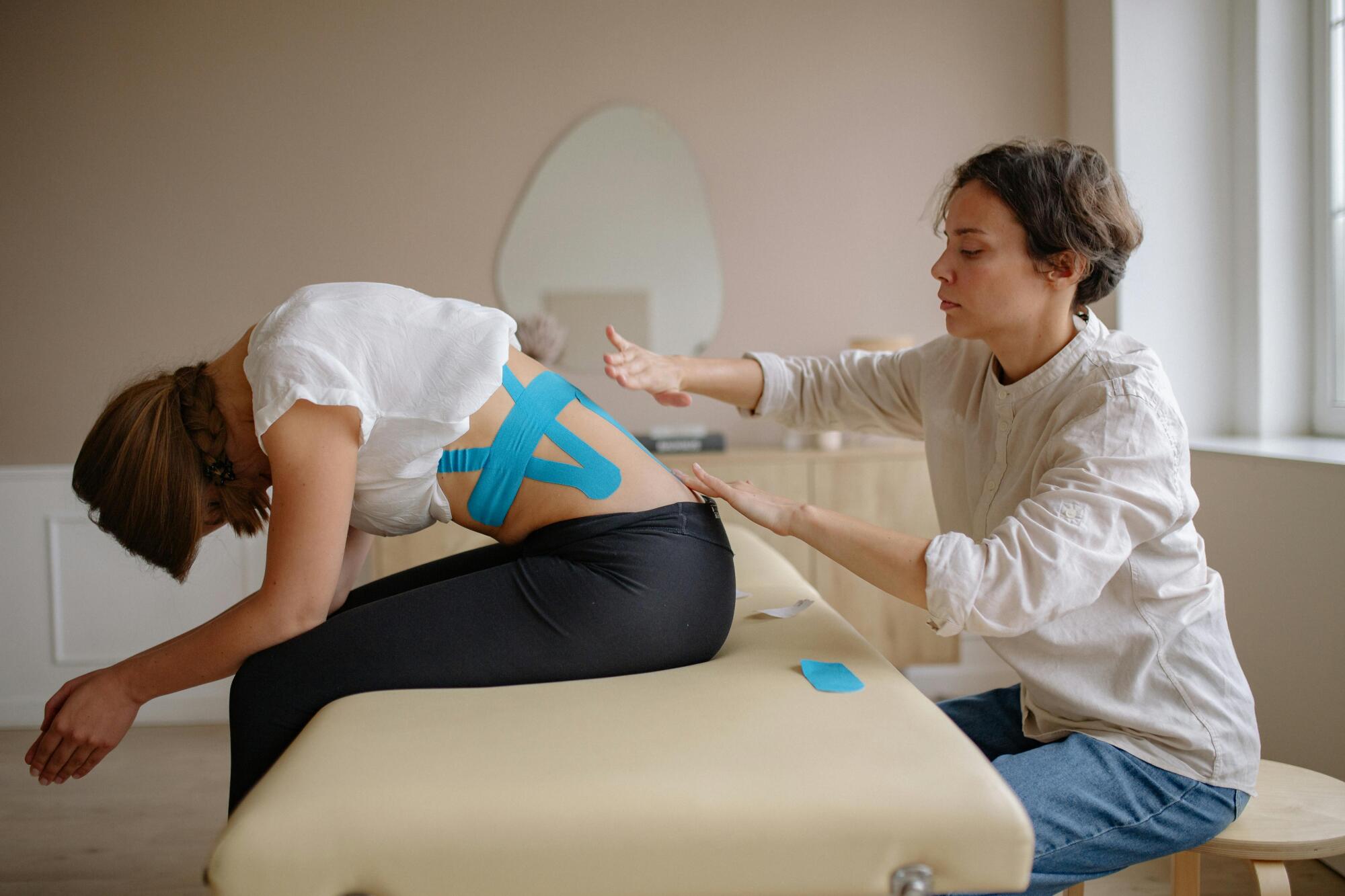
A workplace injury no longer ends with just an incident report and time taken off work. Employers increasingly recognize that the recovery and rehabilitation process is essential as part of workplace safety.
Instead of considering these essential recovery steps as part of HR’s responsibilities, organizations are increasingly integrating professional health programs, employee wellness initiatives, and similar options to improve employee morale and increase operational resilience.
Injury Recovery: Expanding What Workplace Safety Means
While workplace safety was once limited to preventing accidents, employees are placing greater emphasis on what happens after there’s been an injury.
This approach differs from the past norm because, unlike previous conceptualizations of workplace safety, this approach doesn’t disregard everything that comes after an incident. Instead of just focusing on prevention, this approach focuses on recovery and long-term employee well-being.
Traditional approaches focus on the following elements:
- Hazard reduction
- Compliance standards
- Emergency response procedures.
These are essential parts of workplace safety, but organizations are increasingly trying to learn more on injury case management and the key role played by rehabilitation and injury recovery programs.
Occupational Health and Safety Protocols
One major reason for this is the growing connection between occupational health and business performance. Injuries don’t just take employees out of play for the recovery period.
When they return to work, they can be much less effective with much lower morale than when they started.
Many employers are currently integrating recovery planning into broader safety protocols rather than treating it as a separate process, as they want to help workers fully recover.
Obviously, this benefits the employee because their health is better, but it also benefits employers because they’ll take less time off for their injuries, and their injuries will impact performance in the workplace less.
Rehabilitation Programs
So what do modern rehabilitation programs look like?
These programs often involve close collaboration between:
- Medical professionals and occupational therapists
- Human resources teams
- Workplace safety specialists
Coordinated efforts allow employees involved in safety incidents to receive comprehensive and individualized recovery plans that line up with both their medical needs and their job responsibilities.
Some workplaces offer services that extend into the job itself.
For example, the CDC states they might give modified duties to those who are injured or have a gradual return-to-work scheme to help employees transition back to normality safely.
Technology is also increasingly shaping these rehabilitation strategies, and many employers are integrating the following digital tech:
- Virtual therapy sessions
- Ergonomic assessments
- Digital health monitoring tools
Employee Wellness Through Workplace Safety
Employee wellness has become a central part of workplace safety conversations, and employers are starting to take the less immediate ramifications of injury into account. For example, according to the APA, there’s increased recognition that such incidents can affect mental and emotional health in addition to physical recovery.
These mental health issues can result in the following problems:
- Extended absences
- Chronic pain
- Uncertainty about returning to work
- Stress and anxiety
The Shift Towards Broader Support
Employees don’t just expect employers to protect them from safety incidents; they expect long-term support if they are injured in an accident.
Companies investing in workplace safety and rehabilitation programs strengthen employee trust and significantly boost retention and morale.
If you’re interested in learning more about some similar topics, see our other blog posts.