Greenhouse design is adapting to more unpredictable growing conditions
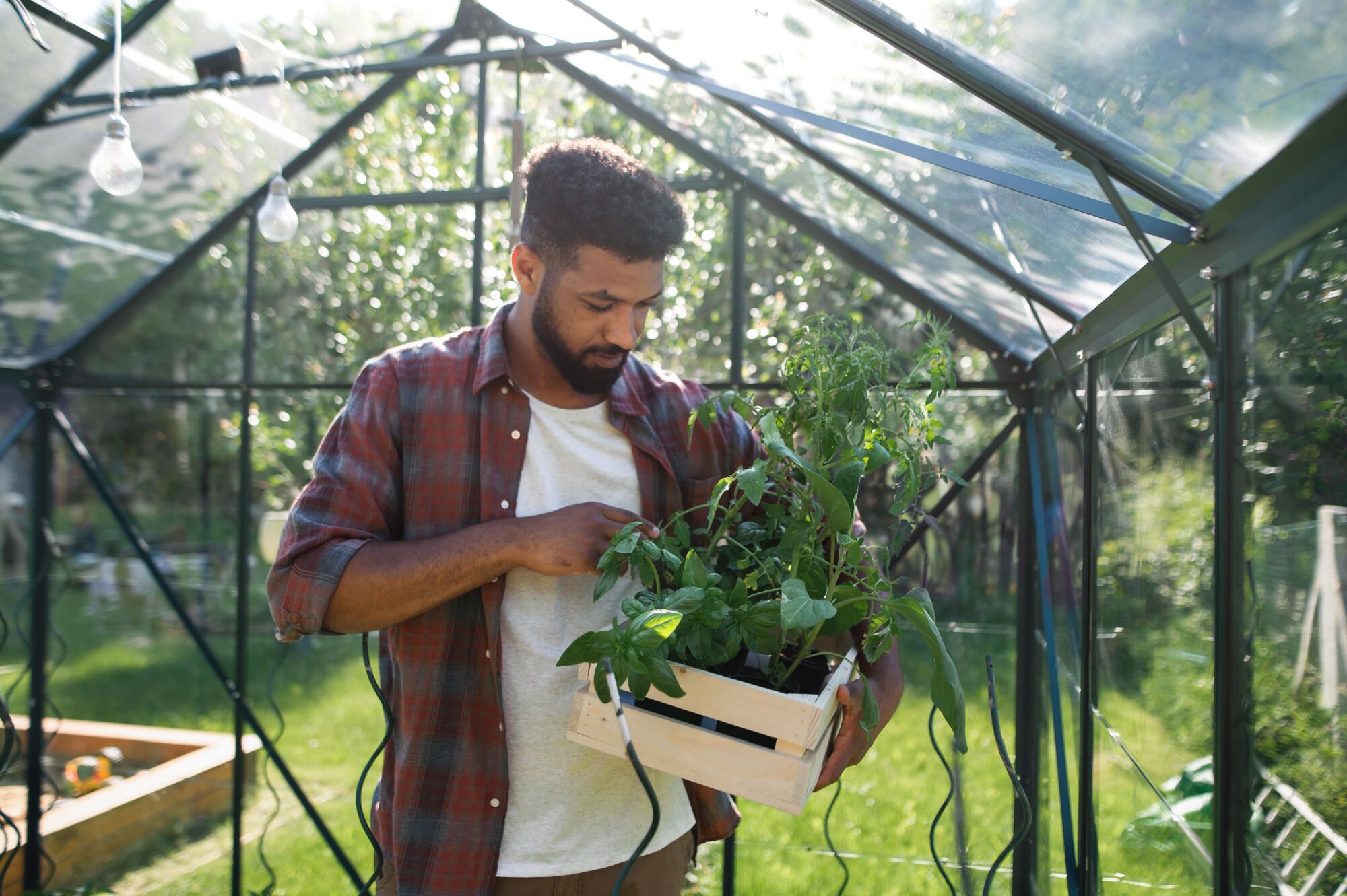
Modern greenhouse systems no longer just keep crops warmer than the weather outside; they actively sense, calculate, and respond to shifting growing conditions in real time, coordinating heating, cooling, shading, and irrigation as one strategy rather than as separate tools.
In 2025, the U.S. recorded 23 weather and climate disasters that each caused more than $1 billion in damage, totaling $115 billion, according to Climate Central data, the third-highest total on record.
Numbers like that reveal what growers already sense: the old rulebook for planning a season no longer holds. A single storm, heat spike, or smoke-filled week can undo months of careful work, and greenhouse design is being rebuilt to meet that uncertainty head-on.
What Makes Growing Conditions So Unpredictable?
Weather can shift pretty fast inside a greenhouse, even one built to block the outside air. Strong sun can actually heat up a crop within minutes, and a cold, damp night can leave water sitting on the leaves. A storm can also change temperature, wind, and moisture all at once, often before a grower even notices.
From Shelter to Control System
Older greenhouses mostly kept the elements out, yet the climate inside could still swing fast. Today’s systems typically check the air, soil, and outside weather all the time, then adjust equipment right away. Sensors send readings to a central computer, which usually turns on fans, heaters, screens, or irrigation as needed.
This shift ranks among the more useful greenhouse innovations of recent years, and it points to where modern gardening solutions are headed next.
Which Variables Can Growers Actually Stabilize?
Modern systems typically keep track of several conditions at once inside the greenhouse. Growers can now shape sustainable plant environments by adjusting many factors together instead of guessing at just one.
A single control system basically manages:
- Temperature and airflow across the growing space
- Humidity levels tied to disease and plant stress
- Light levels through shade screens or added lighting
- Carbon dioxide levels when vents stay closed
- Water, nutrients, and root conditions in the soil
Building for Volatility
Design choices now plan for extreme weather from the start instead of arriving later as an afterthought. Growers who want weather-resilient greenhouses often begin with a tighter, better-sealed structure, stronger coverings, and vents built to handle wind and rain.
Outdoor weather stations can feed data into the same control system, so the greenhouse can react before a storm arrives. The Rimol greenhouse manufacturer builds structures rated for heavy snow and wind loads, an example of climate-adaptive structures in practice.
Severe weather can expose weak points pretty fast. Redundancy matters too once conditions turn extreme. A resilient setup usually includes:
- Backup power for fans, pumps, and heaters
- Alarms for extreme heat, cold, or equipment failure
- Manual overrides for vents, curtains, and irrigation
- Backup sensors and spare parts for key equipment
Building Toward More Predictable Harvests
Modern greenhouse design assumes unpredictable weather as a normal operating condition. Sensors, automated controls, weather-linked responses, and redundant power and equipment work together to keep growing conditions steady even as outdoor conditions swing sharply between heat, cold, drought, and storms.
This approach carries real costs and complexity, but it narrows the gap between what a crop needs and what it actually receives, supporting steadier harvests, timing, and quality regardless of the forecast. Browse our site for more insights like this.