How political campaign teams reach voters in modern local elections
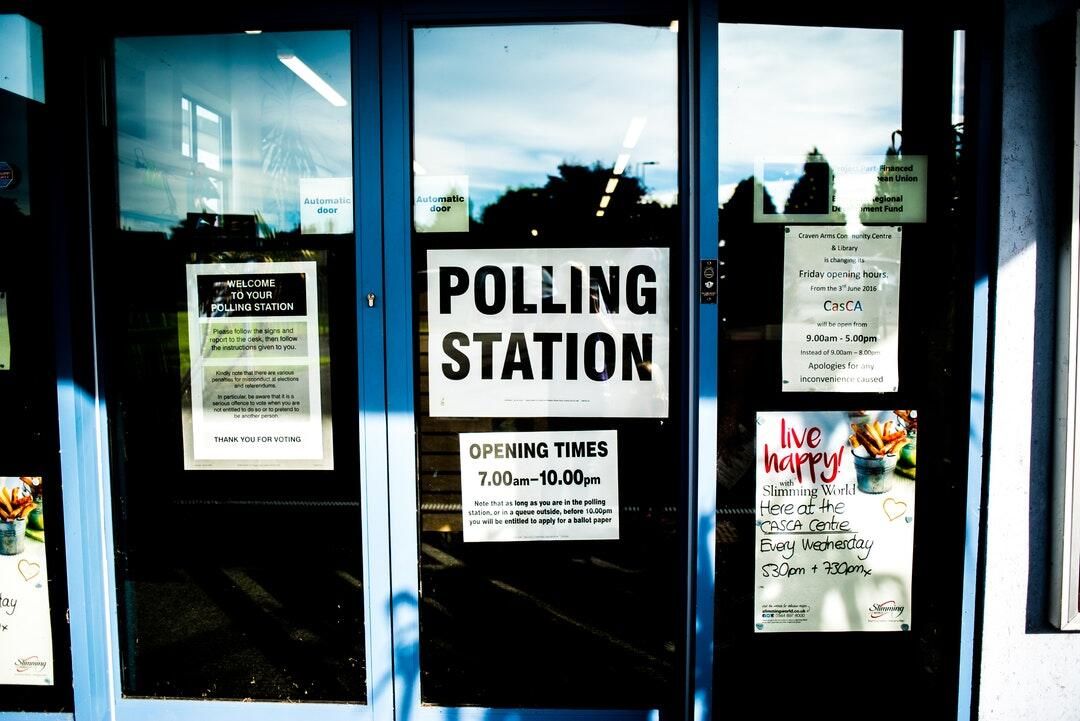
Political campaign teams reach voters in modern local elections by using voter data to identify and understand local audiences, and they combine digital outreach with traditional campaigning. They also focus messages on issues that matter locally and build relationships through community-based outreach.
The Pew Research Center reports that the 2020 and 2024 presidential contests were two of the highest-turnout elections in the last century; 66% and 64% of voting-eligible adults went to vote in each, respectively. This means that for every party, it’s more important than ever to reach local voters, or risk losing valuable votes.
Do They Use Voter Data to Identify and Understand Local Audiences?
Modern election strategy teams rely on voter data to understand who’s most likely to support a candidate and which issues matter to different communities. The following can help build a candidate platform:
- Demographic information
- Voting history
- Survey responses
- Publicly available data
With this information, teams don’t have to send the same message to everyone. They can instead tailor outreach to specific demographics, such as homeowners, retirees, parents, or young voters. This data can also tell them which neighborhoods had low voter turnout, and they can prioritize outreach accordingly.
They Combine Digital Outreach With Traditional Campaigning
Digital campaigning is very important for reaching voters, and successful local campaigns rarely depend on a single channel. Teams may use:
- Social media
- Email newsletters
- Campaign websites
- Digital advertising
- Text messaging from politicalcomms.com
Teams can communicate quickly and reach voters with these tools.
Traditional tactics still work, too, such as:
- Direct mail
- Yard signs
- Community events
- Phone calls
- Door-to-door canvassing
Teams can coordinate these channels so that voters see consistent information across different platforms, which brings broader awareness.
Do They Focus Messages on Issues That Matter Locally?
Local elections often revolve around practical concerns that directly affect residents’ everyday lives, so campaign messaging around those things is crucial. Campaign teams need to move beyond broad political talking points and explain how a candidate’s priorities relate to the community.
The following issues can become central to voter decision-making:
- Housing costs
- Schools
- Transportation
- Public safety
- Taxes
- Development
- Infrastructure
- Local services
Clear and specific messaging can make a campaign feel more relevant than generic political advertising. After gathering local data, messaging can then be adapted for different neighborhoods, too.
They Build Relationships Through Community-Based Outreach
There may be sophisticated digital tools, but personal relationships are still one of the most effective ways to connect with voters. Interactions can happen through:
- Neighborhood meetings
- Community events
- Local business visits
- Volunteer recruitment
Consistent community engagement can help candidates establish familiarity and credibility well before election day. In fact, the strongest local campaigns treat voter outreach as an ongoing conversation rather than a series of advertisements. This creates opportunities for residents to participate and provide feedback.
A Perfected Political Campaign Matters
Voters are jaded, so any politician’s political campaign must be well-polished. This is achieved through a good mix of approaches, but the best and most important part is creating genuine relationships with the local community.
To find more interesting reads, keep browsing our site now.