Do you struggle to rebound after major property disasters?
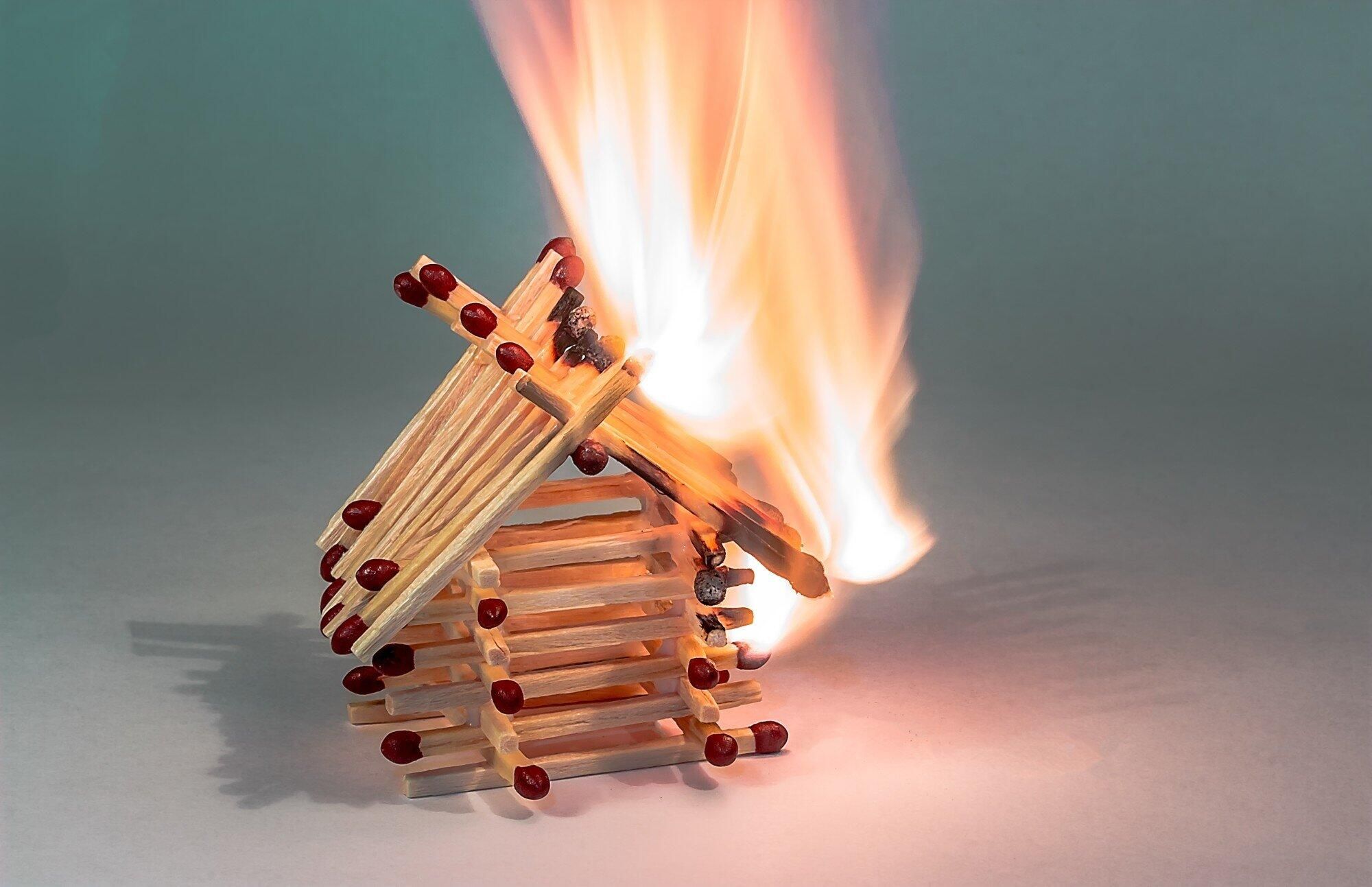
Recovering from major property damage follows a clear sequence: secure the site and document losses, pursue insurance and disaster aid simultaneously, and protect your mental health throughout the process. Property restoration works best when these tracks move forward at the same time.
In 2025, the United States logged 23 weather and climate disasters that each caused over $1 billion in damage, totaling $115 billion in losses, according to the nonprofit Climate Central. Behind each of those figures stands a family sorting through soaked belongings, unsure which phone call to make first.
What Should You Do in the First 48 Hours After Property Damage?
Safety comes first, so stay out of any building that looks unstable until an inspector clears it. Once it’s safe, start emergency cleanup and photograph every loss before you move or toss anything.
A few early steps actually make your claim go more smoothly:
- Photograph every room from multiple angles
- Keep receipts for any temporary repairs or supplies
- Set damaged items aside until an adjuster inspects them
How Do You Manage Insurance and Financial Assistance?
Call your insurer as soon as you can, and get a claim number to track everything that follows. You’ll usually need two contractor estimates before repairs start, whether it’s smoke damage repair or a full disaster reconstruction project.
Property recovery often takes financial help beyond one insurance check, and that’s normal for major damage.
Government and Lender Support
The Federal Emergency Management Agency helps people in declared disaster areas, and you can apply at DisasterAssistance.gov or by phone. The Small Business Administration offers low-interest loans, too, which typically cover gaps that other aid programs miss.
A few other resources are still worth checking:
- State and local grants or loans for housing repairs
- Mortgage lender forbearance or modified payment plans
- Turn-key restoration companies like https://cottongds.com/locations/dallas-tx handle repairs from start to finish
Protecting Your Financial Identity After a Disaster
If your financial documents got lost or scattered, call your bank and the credit bureaus right away. Keeping an eye on your accounts for a few months can help catch identity theft early.
Caring for Your Mental Health During Recovery
Feeling anxious, sad, or unable to sleep after a disaster is clearly a normal reaction that most people go through. Calling 211 can connect you with local counseling and support groups, and many recovery centers offer this service, too. Staying connected to friends, family, or a faith group can help more than people expect.
Staying Organized Through the Recovery Process
A single folder, digital or paper, for receipts, estimates, and letters keeps your case moving forward. Writing down the date and outcome of every call just saves you time later.
Your Path to Full Property Restoration
Recovering from a major property disaster takes patience, organization, and support from the right people. Documenting damage quickly, pursuing every available insurance and disaster aid option, and tending to your mental health all play a role in a full property restoration. Together, these steps give you a structured, practical path forward during an otherwise overwhelming time.
Explore more resources on our website whenever you need guidance.